Futurism 2050 - Sauvik Banerjjee
futurism 2050

By accurately directing neuronal function, nanobots will transform neurology by 2050. Nanobots have the potential to heal neurological illnesses and establish brain-computer interfaces by targeting particular regions of the brain. To guarantee the safe and responsible use of this powerful technology, ethical issues and laws are required.
Nanobots' Neuro Revolution

The AI reincarnation revolution may allow AI systems to continue learning and evolving beyond their founders' deaths by 2050, revolutionizing the area of AI. However, ethical questions about ownership and control, as well as the possible hazards and advantages of autonomous AI, must be addressed. It is crucial to utilize responsibly.
AI Reincarnation Revolution

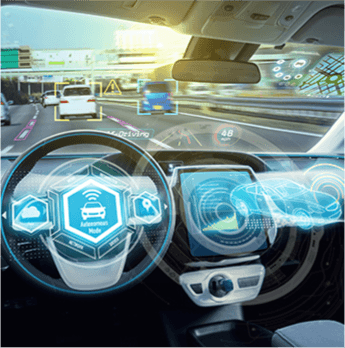
Self-driving cars, which use AI and machine learning algorithms to navigate and adapt to road conditions, will be mainstream by 2050. They will transform commuting by becoming energy-efficient and decreasing traffic congestion. Concerns concerning data privacy and infrastructure, on the other hand, will need to be addressed.
Self-Driving Cars

Virtual and augmented reality will propel the game business forward by giving an immersive experience. Blockchain might make in-game transactions more transparent, and artificial intelligence could personalize games. Cloud-based and subscription services, for example, will make gaming more accessible to everybody.
Next-Gen Gaming
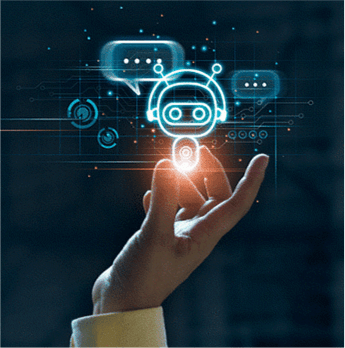
Virtual assistants are increasingly crucial because they comprehend natural language and context and can provide personalised advice and ideas. They will permeate every facet of our life, from healthcare to home automation. As they grow increasingly common, the distinction between human and machine contact will become blurred, ushering in a new age of human-machine cooperation.
Virtual Assistant Reign
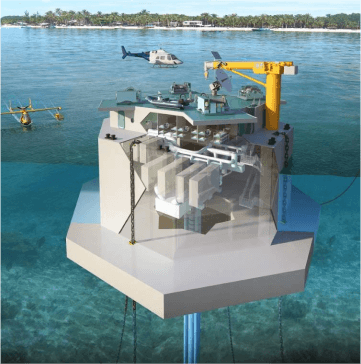
Wave energy converters, tidal turbines, and ocean thermal energy conversion devices are leading the way as a source of clean and sustainable power. Investment and cooperation are driving this industry's fast expansion, which might result in job creation, economic growth, and environmental sustainability
Ocean Energy Revolution
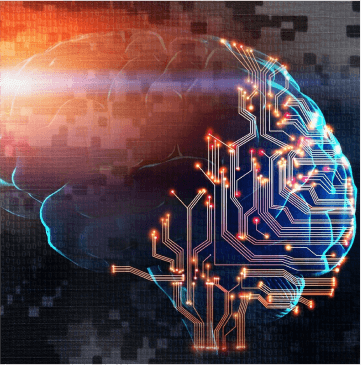
Brain Computer Interfaces

With its potential to do complicated computations 10 times quicker than conventional computing, quantum computing is predicted to transform data processing by 2050. Quantum technology will revolutionize areas such as healthcare and banking, and quantum encryption will ensure data security. Its availability will spur the development of new hardware and software, clearing the path for scientific discoveries.
Quantum Computer Technology
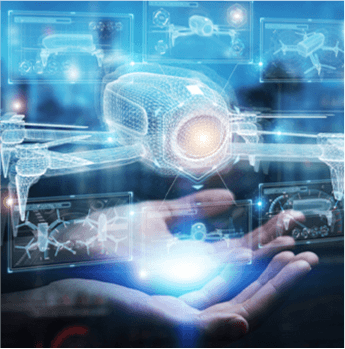
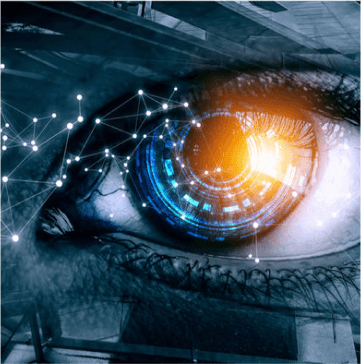
Bionic Eye Advancements
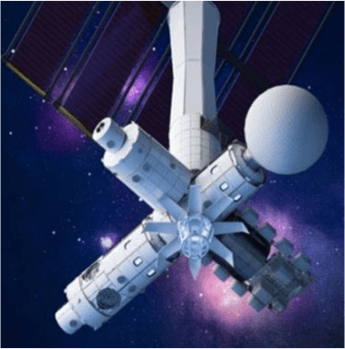
Space elevators, which use a cable from Earth's surface to a satellite, might revolutionize space exploration by lowering the expense and complexity of space travel. The first space elevator is being built, and another may follow, although considerable technical advances and expenditures are required.
Two Space Elevators
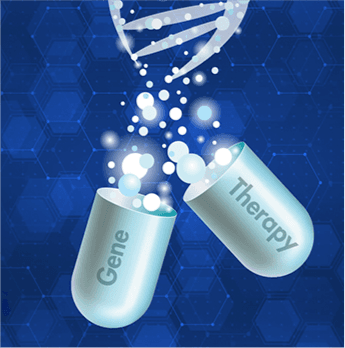
Revolutionizing Disease Treatment
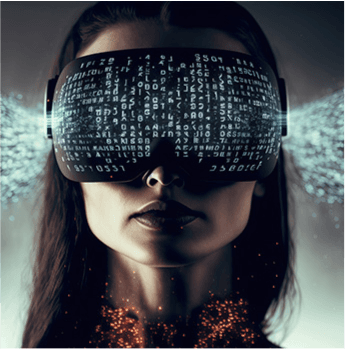
Virtual reality technology is likely to undergo a significant transformation, with more immersive and realistic VR experiences becoming accessible. This has the ability to change many sectors and generate new job possibilities. Virtual reality has the potential to change the way we connect with one another and with the environment around us.